
Understanding the Psychology of Responsible Gambling
Engaging with gambling requires a nuanced understanding of its psychological impact. Many individuals approach casino games with the goal of entertainment, but it’s crucial to recognize the potential for problem gambling to develop. Factors such as chasing losses, believing in gambler’s fallacy, and emotional decision-making can significantly influence behavior. A key strategy involves cultivating self-awareness regarding these psychological triggers, and for those seeking support in Australia, resources like payid casino can offer valuable guidance. Recognizing when these patterns emerge is the first step towards maintaining control and ensuring that gambling remains a leisure activity rather than a source of distress.
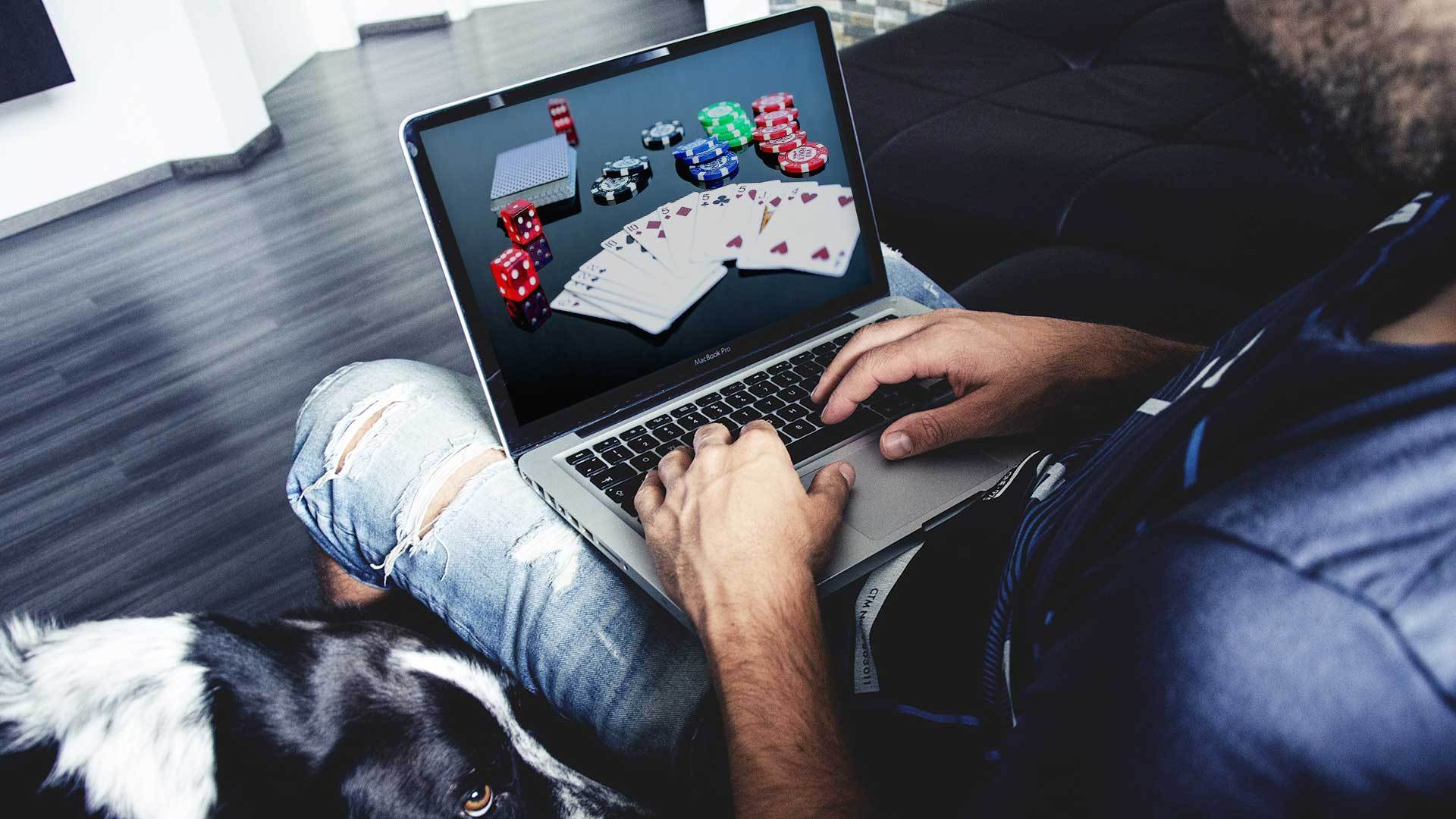
Responsible gambling is not just about setting limits; it’s about fostering a healthy mindset. This includes understanding the odds, accepting that wins are not guaranteed, and viewing losses as a cost of entertainment. Many resources emphasize the importance of emotional regulation, advising players to avoid gambling when feeling stressed, depressed, or anxious. By building this psychological resilience, individuals can better navigate the inherent risks associated with casino games and maintain a balanced approach to their finances and overall well-being.
Implementing Effective Bankroll Management Techniques
A cornerstone of any successful gambling strategy is robust bankroll management. This involves setting a strict budget for gambling activities and adhering to it without exception. Before even placing a bet, determine a specific amount of money you are willing to risk, and crucially, only use funds that you can comfortably afford to lose. This approach prevents impulsive decisions and protects your financial stability. It’s also advisable to separate your gambling budget from your everyday living expenses to avoid any overlap or temptation to dip into necessary funds.
Effective bankroll management also dictates setting win and loss limits for each gambling session. For instance, decide on a predetermined amount that, if won, will prompt you to stop playing and withdraw your winnings. Conversely, establish a loss limit that, if reached, will signal the end of your session. This discipline helps to secure profits and prevent excessive losses. The goal is to ensure that gambling remains an enjoyable pastime, free from the burden of overwhelming financial strain, a principle strongly advocated by initiatives supporting healthy gambling habits.
Leveraging Mathematical Principles for Strategic Play
While luck plays a significant role in casino games, understanding mathematical principles can provide a strategic edge and enhance the overall experience. This involves comprehending the house edge, which is the inherent advantage casinos have over players in any given game. By choosing games with a lower house edge, such as certain variations of blackjack or video poker, players can statistically improve their chances of long-term success, or at least minimize their potential losses. Familiarizing yourself with optimal strategies for these games can further reduce the house advantage.
Furthermore, concepts like probability and variance are fundamental. Probability helps in assessing the likelihood of certain outcomes, while variance describes the extent to which results can deviate from the expected average. Acknowledging variance helps players manage expectations and understand that even with optimal play, short-term swings are inevitable. Focusing on games where skill can influence the outcome, rather than purely chance-based games, allows for the application of these mathematical principles to develop more calculated and potentially rewarding gambling strategies.
Choosing Games with Favorable Odds and Low Volatility
Selecting the right games is paramount when aiming to develop premium gambling strategies. Prioritize games that offer a lower house edge and higher return-to-player (RTP) percentages. For example, classic table games like blackjack, when played with a solid strategy, often present better odds than many slot machines. Similarly, certain types of poker allow players to compete against each other, with the house taking a smaller percentage as a fee, rather than playing directly against the casino’s inherent advantage.
Consider games with lower volatility as well. High volatility games can lead to significant wins but also rapid losses, which can quickly deplete a bankroll and be emotionally taxing. Low volatility games, on the other hand, tend to offer more frequent but smaller wins, providing a more consistent and controlled gambling experience. This approach aligns with responsible gambling principles, allowing players to enjoy longer play sessions and make more informed decisions without the pressure of chasing substantial, infrequent payouts. It’s about sustained engagement rather than a quick, high-risk gamble.

The Role of Support in Maintaining Healthy Gambling Habits
For Australian fathers and father figures, maintaining healthy gambling habits is part of a broader commitment to well-being. Initiatives like “How is Dad Going?” highlight the importance of open communication and seeking support when needed. While the direct focus of this website is not on gambling strategies, the underlying message about mental health and seeking help is universally applicable. If gambling ever becomes a source of stress or financial difficulty, recognizing this and reaching out is a sign of strength, not weakness.
The principles of responsible gambling—setting limits, understanding risks, and seeking balance—are crucial for anyone engaging in casino activities. “How is Dad Going?” implicitly encourages men to look after their mental and emotional health, which includes managing all aspects of their lives, including leisure activities like gambling. By fostering a supportive environment, such initiatives empower fathers to make informed choices and seek assistance if they find themselves struggling, ensuring that gambling remains a manageable and enjoyable part of life, if partaken at all.
